
It’s easy to ignore a mild toothache — especially when it comes and goes. Many people delay dental visits, hoping the discomfort will resolve on its own. But when it comes to wisdom teeth, postponing care can quietly lead to bigger problems.
If you’ve been putting off wisdom tooth removal in Dhakoli, it’s worth understanding what could be happening beneath the surface.
Wisdom teeth, also known as third molars, are the last set of teeth to emerge — usually in your late teens or early twenties. While some people never experience issues, many face complications due to lack of space or improper positioning. And when those problems are ignored, they rarely stay small.
Why Wisdom Teeth Often Cause Trouble
Unlike other teeth, wisdom teeth tend to erupt when your jaw is already fully developed. That means there often isn’t enough room for them to come in properly.
As a result, they may:
Grow at an angle
Get stuck under the gum (impacted)
Partially emerge, creating openings for bacteria
In such cases, your dentist may recommend tooth removal treatment tooth removal treatment to prevent further complications.
What Happens When You Delay Removal?
Ignoring wisdom tooth issues doesn’t just mean living with occasional discomfort — it can lead to more serious dental concerns over time.
1. Persistent Pain and Swelling
What starts as mild discomfort can turn into ongoing pain. As the tooth pushes against surrounding structures, inflammation can increase, making it difficult to eat or even open your mouth comfortably.
2. Infection Risk
Partially erupted wisdom teeth create small pockets where food particles and bacteria can collect. These areas are hard to clean, increasing the risk of infection. You might notice symptoms like bad breath, pus, or swelling in the gums.
3. Damage to Nearby Teeth
An impacted wisdom tooth can press against the adjacent molar, potentially damaging it. This can lead to decay or even the need for additional tooth removal procedures — something that could have been avoided with timely care.
4. Cysts or Jaw Issues
In some cases, a sac around the impacted tooth can fill with fluid, forming a cyst. If left untreated, this can damage the jawbone and surrounding teeth, leading to more complex dental treatments.
5. Alignment Problems
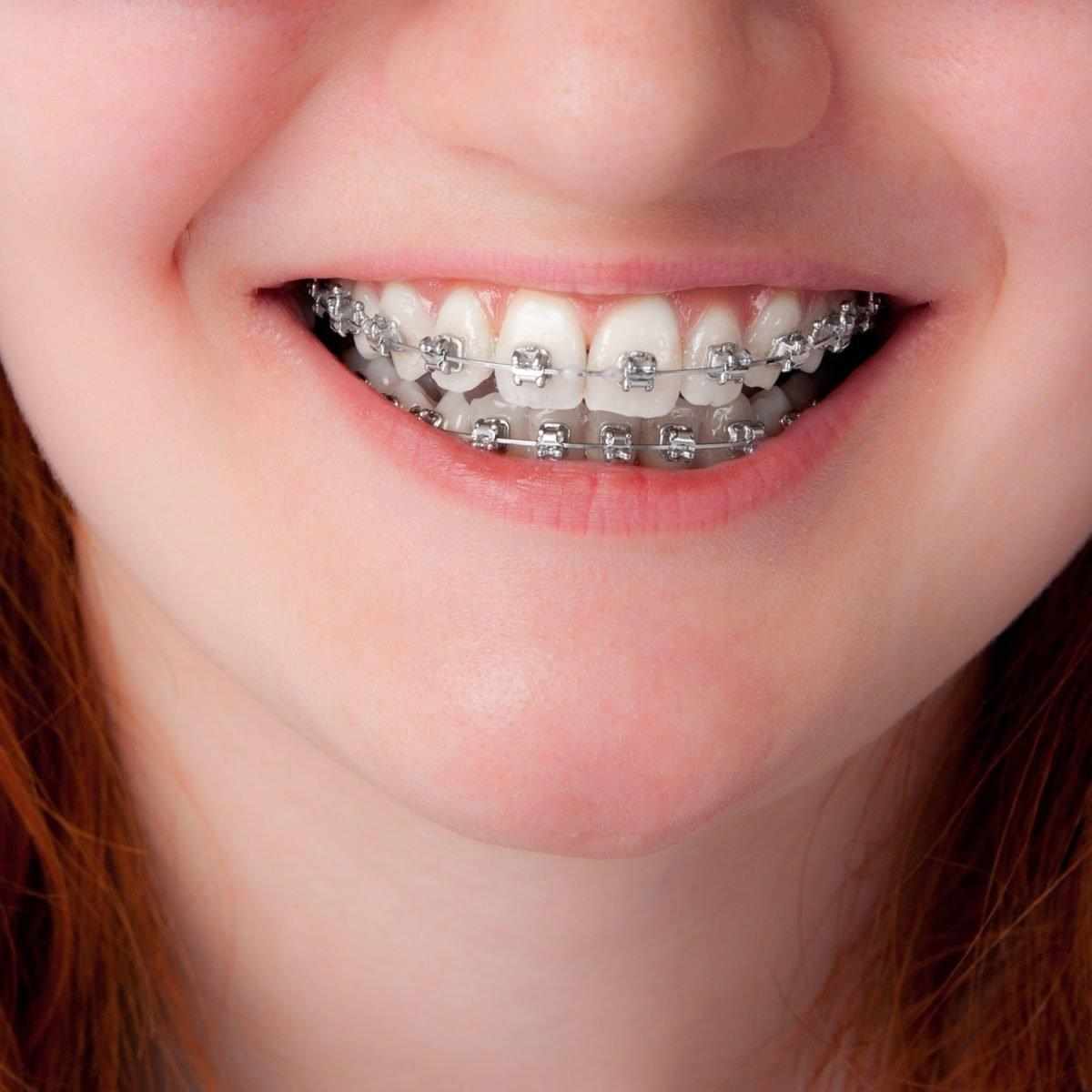
If you’ve had orthodontic work, delaying wisdom tooth removal may affect the alignment of your teeth. The pressure from emerging wisdom teeth can shift your smile over time.
Signs You Shouldn’t Ignore
Your mouth often gives early warning signs when something isn’t right. If you’re experiencing any of the following, it may be time to consider wisdom tooth removal in Dhakoli:
Pain at the back of your mouth
Swollen or bleeding gums
Difficulty chewing or opening your jaw
Bad taste or persistent bad breath
Headaches or jaw stiffness
Even if the symptoms seem minor, they can indicate underlying issues that require attention.
Is Removal Always Necessary?
Not every wisdom tooth needs to be removed. If they grow in fully, are properly aligned, and don’t affect surrounding teeth, your dentist may simply monitor them.
However, when there’s a clear risk of complications, early tooth removal treatment is often the safer and more comfortable option. Removing the tooth before problems escalate can prevent pain and reduce the complexity of the procedure.
What to Expect from the Procedure
Modern dental techniques have made tooth removal procedures far more comfortable than many people expect.
Evaluation: Your dentist will assess the position of your wisdom teeth using X-rays.
Anesthesia: Local anesthesia (and sometimes sedation) ensures you don’t feel pain during the procedure.
Removal: The tooth is carefully extracted, sometimes in sections if it’s impacted.
Recovery: Most people recover within a few days, with manageable swelling and mild discomfort.
Following your dentist’s aftercare instructions plays a key role in healing smoothly.
The Cost of Waiting vs. Acting Early
Delaying treatment might seem convenient in the short term, but it often leads to more complicated and costly procedures later.
Early removal typically means:
Simpler extraction
Faster recovery
Lower risk of complications
On the other hand, waiting until the problem worsens can involve infections, damage to other teeth, or even surgical intervention.
Caring for Your Oral Health
Your dental health is closely connected to your overall well-being. Addressing issues early — especially something as common as wisdom teeth — can save you from unnecessary discomfort and stress.
Regular dental check-ups allow your dentist to monitor changes and recommend timely tooth removal treatment if needed.
Final Thoughts
Delaying wisdom tooth removal might seem harmless, especially if the pain isn’t constant. But in reality, it can lead to a chain of avoidable problems that affect not just your teeth, but your overall comfort and health.
If you’re considering wisdom tooth removal in Dhakoli, don’t wait for the pain to become unbearable. A simple consultation can give you clarity and help you make the right decision for your oral health.
Taking action early doesn’t just protect your smile — it gives you peace of mind, knowing you’ve prevented bigger issues before they had a chance to grow.
Source : Delaying Wisdom Tooth Removal? Here’s What Your Mouth Might Be Facing




Write a comment ...